Source orange round moonstone bracelet for gifts, parties, and weddings
Compare 30 listings for the orange round moonstone bracelet from verified manufacturers in China. Buyers can evaluate materials like jade and crystal, check certifications such as SGS and BSCI, and review customization options for informal occasions and health gifts.
Key considerations
Products List


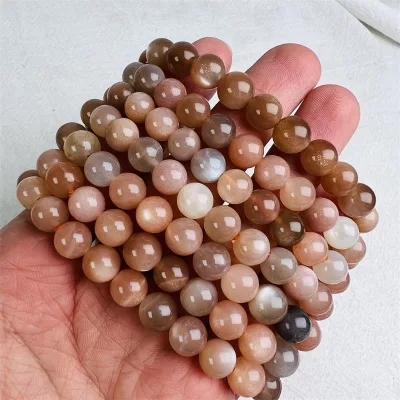
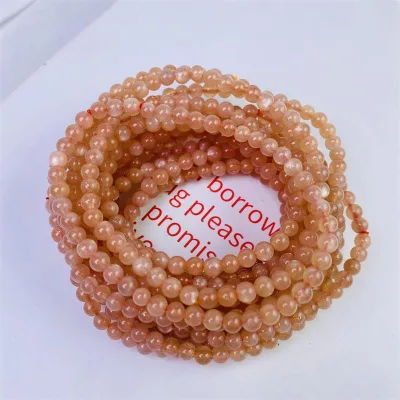






Comprehensive Sourcing Guide
Orange Round Moonstone Bracelet Sourcing Guide
Sourcing orange round moonstone bracelets requires a nuanced understanding of both the gemstone’s physical properties and the broader jewelry manufacturing landscape. While the core keyword specifies a distinct stone and cut, the available market data reveals a diverse range of bracelet types, materials, and specifications that buyers must navigate carefully. This guide synthesizes observed listing signals and technical requirements to help procurement professionals make informed decisions when sourcing this specific aesthetic or similar decorative jewelry items.
The following sections provide a structured approach to evaluating suppliers, verifying product specifications, and ensuring compliance with international safety standards. By focusing on evidence-based verification steps and commercial best practices, buyers can mitigate risks associated with material misrepresentation, quality inconsistencies, and regulatory non-compliance. This guide is designed to serve as a practical reference for sourcing teams looking to integrate orange round moonstone bracelets or comparable fashion jewelry into their product portfolios.
Product Scope and Observed Listing Signals
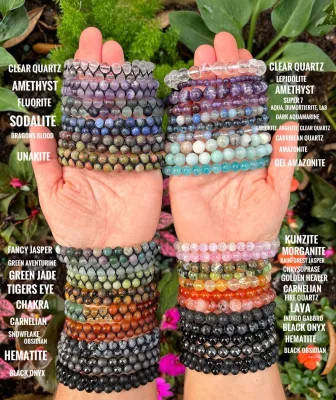
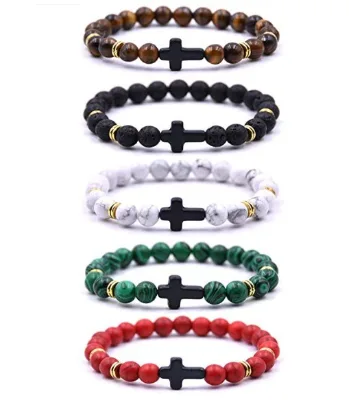
The observed product landscape for bracelets includes a wide variety of materials, styles, and target demographics, indicating that "orange round moonstone" is one specific niche within a broader category. Listings show products made from jade, beads, crystal, and 925 sterling silver, with styles ranging from simple to star fashion. The target audience varies significantly, with some items explicitly marked as suitable for females, while others are designated for males. This diversity suggests that buyers must clearly define their specific material and aesthetic requirements to avoid confusion with similar-looking but materially different products.
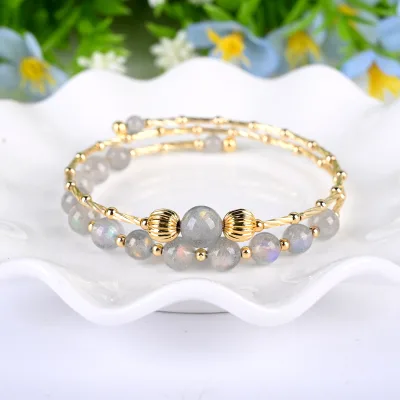
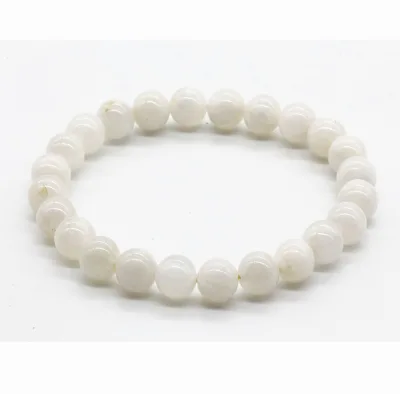
Color and type variations are also prominent in the current market data. Observed colors include white and transparent, while types range from bracelets to bangles and necklaces. The presence of items labeled as "moonstone crystal bracelet" alongside other crystal and bead products highlights the importance of precise terminology. Buyers should verify whether the supplier offers the specific orange hue and round cut they require, as many listings may feature alternative stone colors or shapes. Additionally, usage categories such as decoration, gift, and health indicate that marketing claims can vary, necessitating clear communication about the intended use of the final product.
Technical Specifications to Verify
When evaluating technical specifications, buyers must prioritize the verification of material composition and dimensional accuracy. The observed data includes weights ranging from 2.6g to 25g and standard lengths such as 18cm and 22cm, with some items offering custom sizes. It is critical to confirm the exact weight and dimensions of the orange round moonstone bracelet, as these factors directly impact comfort, durability, and perceived value. Buyers should request detailed specifications for each SKU, including the number of beads, clasp type, and overall circumference, to ensure alignment with their product requirements.
Packaging and customization options are also key technical considerations. Many suppliers offer OEM and ODM services, allowing for tailored designs and branding. The standard packaging observed is often a single piece per OPP bag, which provides basic protection but may require additional packaging for retail presentation. Buyers should inquire about the availability of custom packaging solutions, such as branded boxes or eco-friendly materials, to enhance the unboxing experience. Additionally, verifying the plating details, such as silver plating on metal components, is essential to ensure consistency and prevent issues like tarnishing or allergic reactions.
Compliance and Safety Documentation
Compliance with international safety standards is non-negotiable for jewelry imports, particularly when targeting markets in Europe and North America. The observed listings mention certifications such as BSCI, SGS, BV, and Intertek, which indicate that suppliers may have undergone various audits and testing procedures. Buyers must request current and valid certificates for each product, ensuring that they cover the specific materials used, such as the stone, metal components, and any plating. It is crucial to verify that the testing includes checks for restricted substances like nickel, lead, and cadmium, which are common concerns in jewelry safety.
Eco-friendly claims and material safety are also important aspects of compliance. Some products are labeled as lead-free, nickel-free, and cadmium-free, which aligns with growing consumer demand for sustainable and safe jewelry. Buyers should ask for detailed test reports from accredited laboratories to substantiate these claims. Additionally, understanding the quality standards applied by the supplier, such as US standards or other regional benchmarks, is essential for ensuring that the products meet the regulatory requirements of the destination market. Clear documentation of compliance helps build trust with consumers and avoids potential legal issues.
Cost Drivers and Commercial Terms
Several factors influence the cost of orange round moonstone bracelets, including material quality, labor intensity, and customization requirements. The observed price range of $0.57 to $50 USD reflects significant variation based on these factors. Higher prices may be associated with genuine moonstone, intricate designs, or premium packaging, while lower prices may indicate synthetic stones or simpler construction. Buyers should analyze the cost breakdown to understand where value is added and identify opportunities for cost optimization without compromising quality.
Minimum Order Quantities (MOQs) and payment terms are critical commercial considerations. The observed MOQ range of 1 to 300 pieces offers flexibility for both small-scale testing and larger production runs. Buyers should negotiate MOQs that align with their inventory strategy and cash flow constraints. Additionally, understanding the supplier’s lead times and production capacity is essential for planning supply chain logistics. Clear communication regarding payment terms, such as deposits and balance payments, helps establish a transparent and mutually beneficial business relationship.
Supplier Qualification and Quality Control
Supplier qualification involves a thorough assessment of their manufacturing capabilities, quality control processes, and business ethics. Buyers should verify the supplier’s origin, with many listings indicating production in Zhejiang, China, a major hub for jewelry manufacturing. This regional expertise can be an advantage, but it is important to conduct due diligence to ensure that the supplier adheres to ethical labor practices and environmental standards. Requesting factory audits or third-party verification reports can provide insights into the supplier’s operational integrity.
Quality control measures should be established before production begins. Buyers should define clear quality standards for materials, craftsmanship, and finishing. Regular inspections during production and before shipment help identify and rectify defects early in the process. Establishing a clear communication channel for addressing quality issues is also essential. Buyers should request samples for approval before mass production to ensure that the final product meets their expectations. Consistent quality control practices reduce the risk of returns and enhance customer satisfaction.
Long-Term Procurement Checks
Long-term procurement success depends on continuous monitoring of supplier performance and market trends. Buyers should establish key performance indicators (KPIs) to track metrics such as on-time delivery, product quality, and responsiveness to issues. Regular reviews of these metrics help identify areas for improvement and strengthen the supplier relationship over time. Additionally, staying informed about changes in regulations and consumer preferences ensures that the product offering remains relevant and compliant.
Building a resilient supply chain involves diversifying suppliers and maintaining open lines of communication. Buyers should consider working with multiple suppliers to mitigate risks associated with single-source dependencies. Regularly updating product specifications and exploring new design trends can help keep the product line fresh and competitive. By focusing on long-term partnerships and continuous improvement, buyers can achieve sustainable growth and maintain a competitive edge in the jewelry market.
FAQs
What materials are used for the orange round moonstone bracelet?
The bracelet is crafted from jade beads and features a moonstone crystal design. Some variations include 925 sterling silver plating to enhance durability and shine while maintaining a simple style suitable for informal occasions.
Can I request customization for the bracelet specifications?
Yes, customization is available for this product line. Buyers can request specific standard lengths like 18cm or 22cm, and OEM and ODM services are accepted to meet unique design requirements or branding needs.
Which certifications ensure the safety of the bracelet materials?
The products hold BSCI, SGS, BV, and Intertek certifications. They are tested to be nickel and lead-free, ensuring they are eco-friendly and safe for direct skin contact during daily wear or gifting.
How is the bracelet packaged for shipment to buyers?
Each piece is individually packed in one OPP bag. This packaging method protects the jewelry during transit and ensures it arrives in pristine condition, ready for decoration, gifting, or retail display.
What is the typical weight of the bracelet models?
The weight varies by model, with observed values ranging from 2.6 grams to 25 grams. Specific models like the jade bead version weigh around 20 grams, while others may be lighter depending on the material composition.
Where are these bracelets manufactured and sourced from?
The products originate from Zhejiang, China, specifically Yiwu. This region is known for its jewelry manufacturing capabilities, ensuring consistent quality standards and efficient logistics for international buyers seeking reliable sourcing options.
Which occasions are suitable for wearing this bracelet?
The bracelet is suitable for informal occasions, parties, weddings, and engagements. It also serves as a great gift or decoration item, making it versatile for various events including Halloween or other special celebrations.